Unraveling the Truth Common Myths about Gambling Explained
Unraveling the Truth Common Myths about Gambling Explained
Myth One: Gambling is Just Luck
One of the most pervasive myths surrounding gambling is that success is purely a matter of luck. While luck does play a role in many gambling scenarios, especially in games like slots or roulette, skill and strategy significantly influence outcomes in other areas. For instance, poker requires a deep understanding of probabilities, player psychology, and game theory. Thus, while chance is a component, it is not the sole factor in determining success, especially when you consider online platforms where players can explore pokies online nz and hone their skills.

Understanding the balance between skill and luck can reshape how players approach gambling. Relying entirely on luck can lead to poor decision-making, which may result in losses. Players who invest time in learning the nuances of the games they enjoy can enhance their chances of winning significantly over time.
Myth Two: Gambling is an Easy Way to Make Money
Many individuals are drawn to gambling by the allure of quick profits, leading to the misconception that it is a straightforward method to earn money. While it is true that some people can walk away with substantial winnings, the reality is that gambling can lead to financial losses just as easily. The odds are often stacked against players, particularly in games like blackjack or slots, where the house edge ensures that casinos maintain their profitability.
Moreover, the psychological factors at play can make it challenging for individuals to accept losses and walk away. This can result in chasing losses, which further exacerbates the potential for financial harm. Recognizing that gambling is not a guaranteed source of income can help players approach it more responsibly.
Myth Three: All Gamblers are Addicts
Another common myth is that all individuals who gamble have an addiction. While gambling addiction is a serious issue affecting a subset of players, the majority of individuals who gamble do so recreationally and responsibly. Many people enjoy gambling as a form of entertainment, much like going to a movie or dining out.
It is essential to differentiate between casual gambling and problematic gambling behaviors. Responsible gambling practices, such as setting limits and knowing when to stop, can help mitigate risks. Understanding that not all gamblers struggle with addiction can encourage a healthier perspective on the activity.
Myth Four: Casinos Manipulate Games to Ensure Losses
A prevalent belief is that casinos manipulate their games to guarantee that players will lose. In reality, licensed and regulated casinos must adhere to strict rules and regulations to ensure fair play. Most games are designed with a built-in house edge, but this does not equate to manipulation; instead, it reflects the mathematical probabilities involved in each game.
Additionally, gaming regulators conduct audits to verify that the games are fair and that payouts are in line with industry standards. Understanding the mechanics of how games work can help demystify the notion of manipulation and reassure players that they are participating in a fair environment.
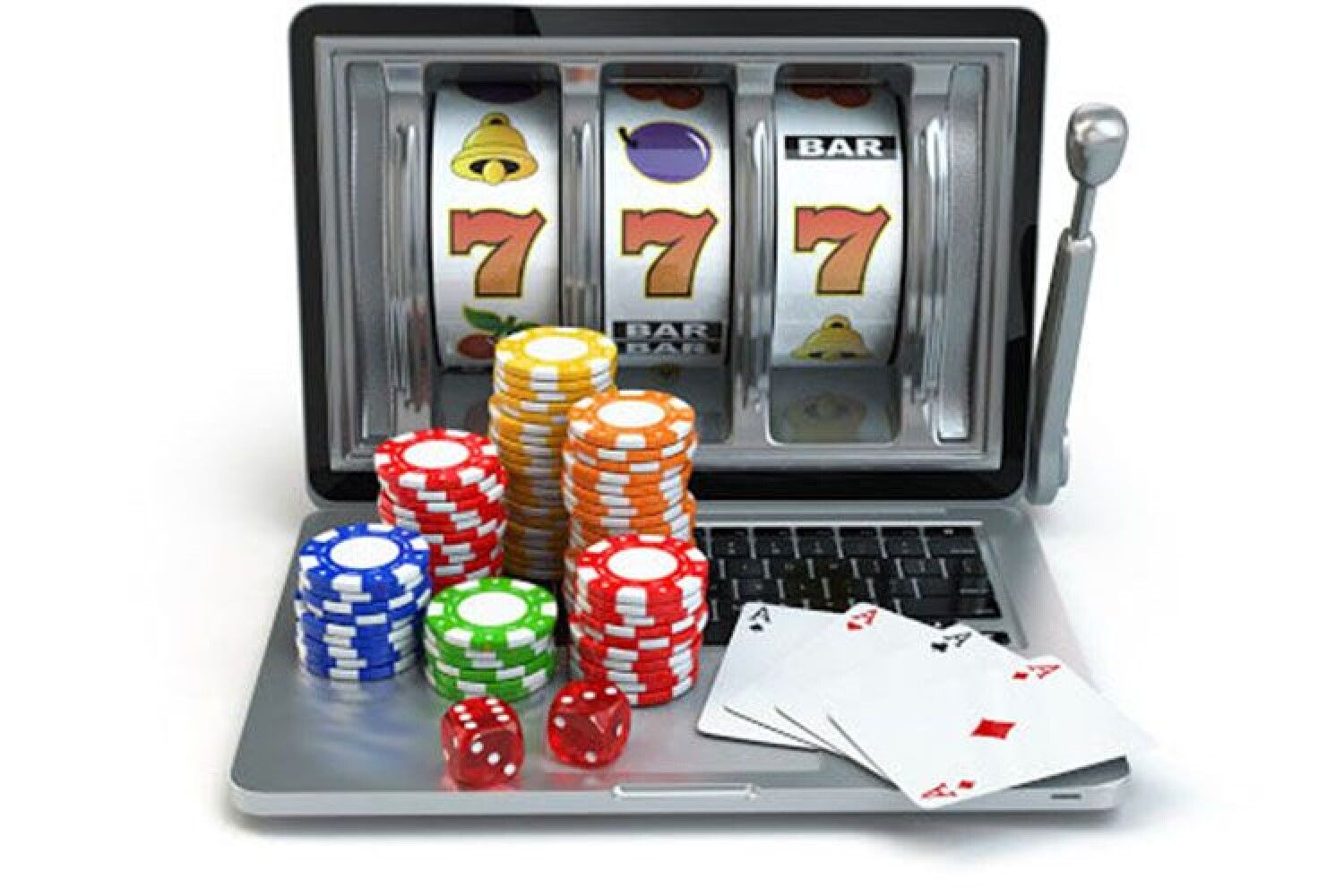
Exploring Online Gambling Resources
For those looking to navigate the world of online gambling responsibly, various resources are available to guide players in their journey. Websites dedicated to online gaming offer comprehensive information about safe gaming practices, tips on choosing the right platforms, and insights into the best games available. This ensures that players can make informed decisions before engaging in online gambling.
Staying informed about the latest trends and practices in gambling can enhance the overall experience and promote responsible behavior. Engaging with reputable sources can empower players to enjoy their gaming experiences while minimizing potential risks associated with gambling.

No Comments