Understanding the impact of gambling addiction a guide to awareness and recovery
What is Gambling Addiction?
Gambling addiction, also known as compulsive gambling or pathological gambling, is a behavioral addiction characterized by an uncontrollable urge to gamble despite the negative consequences. It impacts various aspects of a person’s life, including mental health, relationships, and financial stability. For those looking to engage in gambling with fast transactions, you might consider exploring payid online pokies. This addiction can lead to severe emotional distress, as individuals often experience feelings of shame and guilt for their actions, making it difficult for them to seek help.
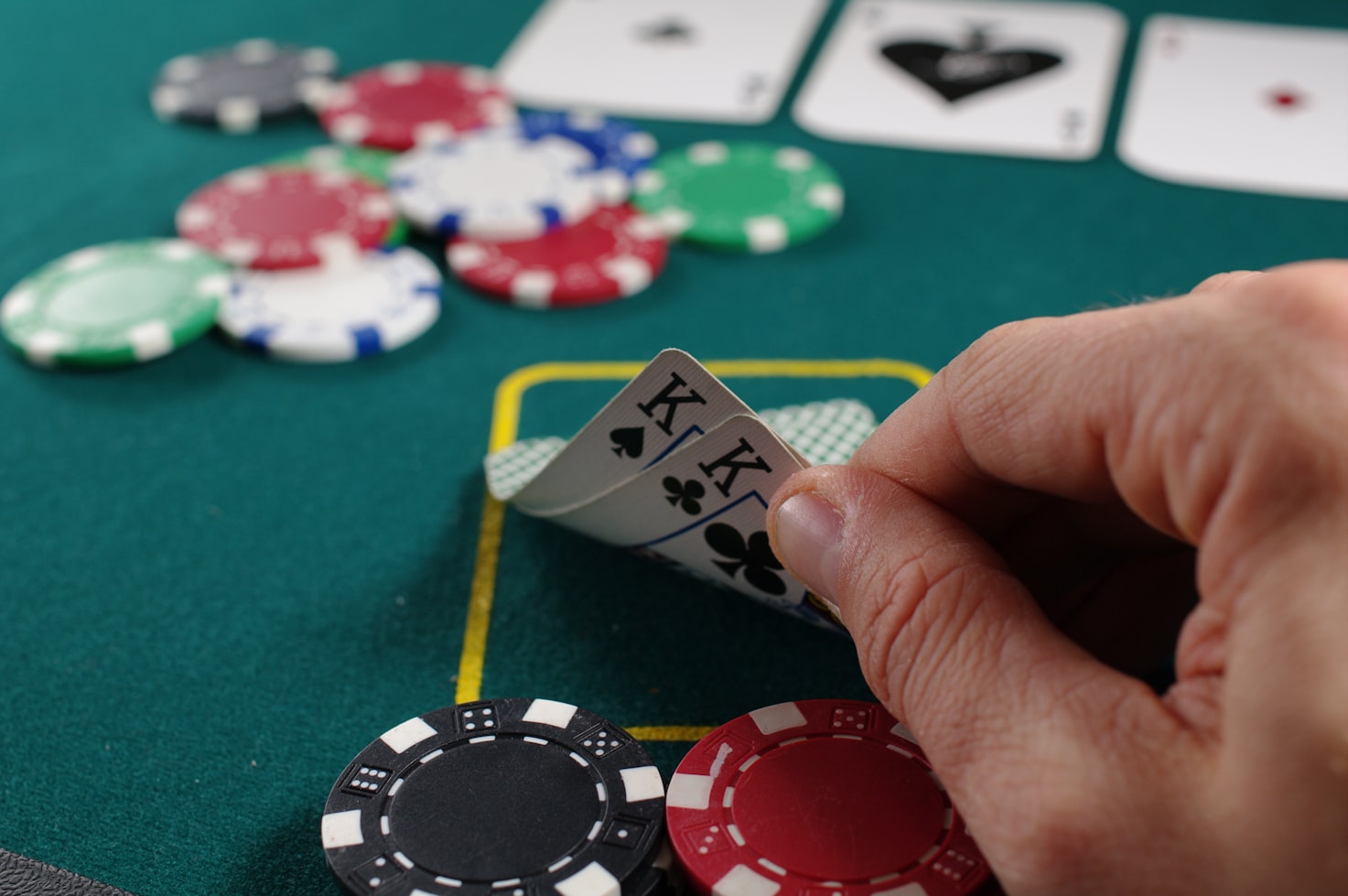
Recognizing gambling addiction involves understanding its psychological underpinnings. Many individuals may start gambling as a form of entertainment, but over time, the behavior can escalate. The thrill of winning and the relief of losses can create a cycle that is hard to break. Furthermore, the availability of online gambling platforms has made it easier for individuals to engage in risky behaviors, compounding the issue.
It’s essential to note that gambling addiction can affect anyone, regardless of age, gender, or socioeconomic status. The psychological effects can manifest in various ways, including anxiety, depression, and other mental health issues. Awareness of these signs is crucial for early intervention and successful recovery.
The Psychological Factors Behind Gambling Addiction
The psychology of gambling addiction is complex and multifaceted. Many individuals engage in gambling to escape from stress or to cope with underlying mental health issues. Studies have shown that people with conditions such as anxiety, depression, and bipolar disorder are more likely to develop gambling problems. This pattern underscores the need for a comprehensive approach to treatment that addresses both the addiction and any co-occurring mental health disorders.
Behavioral triggers also play a significant role in the development of gambling addiction. These triggers can include environmental factors such as proximity to casinos, as well as emotional triggers like feelings of loneliness or inadequacy. Understanding these triggers is crucial for those seeking recovery, as it allows individuals to develop strategies to manage cravings and avoid relapse.
Moreover, cognitive distortions often accompany gambling addiction. Many gamblers believe they can control the outcome of games or that a win is “due” after a series of losses. This mindset can perpetuate the cycle of gambling, leading individuals to chase losses and further entrench themselves in addiction. Addressing these cognitive distortions is an important component of effective treatment.
Recognizing the Signs of Gambling Addiction
Identifying gambling addiction can be challenging, especially for the individuals affected. Common signs include preoccupation with gambling, a need to gamble with increasing amounts of money to achieve the desired excitement, and unsuccessful attempts to cut back on gambling. Additionally, individuals may lie about their gambling activities or engage in illegal acts to fund their habit, which can have severe legal ramifications.
Financial distress is another key indicator of gambling addiction. Many individuals will deplete savings, accumulate debt, or even resort to borrowing money to continue gambling. The impact of this financial strain can extend beyond the individual, affecting families and friends who may bear the burden of financial irresponsibility. Awareness of these signs is essential for both the individuals struggling and their loved ones, as it can facilitate timely intervention.
Behavioral changes can also signal gambling addiction. Individuals may become secretive, isolate themselves from friends and family, or exhibit mood swings related to their gambling activities. Recognizing these changes is crucial for initiating conversations about the issue and encouraging individuals to seek help.
Pathways to Recovery
Recovery from gambling addiction often requires a multifaceted approach, as the journey can be long and challenging. Professional help, including therapy and counseling, plays a vital role in this process. Cognitive-behavioral therapy (CBT) has proven particularly effective in helping individuals alter their thought patterns and behaviors associated with gambling. Therapists can provide support and strategies to cope with triggers and manage cravings effectively.
Support groups, such as Gamblers Anonymous, offer valuable peer support and a safe environment for sharing experiences. These groups emphasize the importance of community and accountability in recovery. Listening to others’ stories can provide hope and encouragement, making individuals feel less isolated in their struggles.
Self-exclusion programs are also available, allowing individuals to voluntarily ban themselves from gambling establishments. This proactive measure can help mitigate the risk of relapse and provide a structured environment for recovery. Combining these resources significantly increases the likelihood of sustained recovery.
Resources and Support for Those Affected
The journey to recovery from gambling addiction is not one that needs to be taken alone. Numerous resources are available for individuals struggling with this addiction and for their families. Hotlines and online support groups can provide immediate assistance and guidance for those in crisis. Accessing these resources can be the first step toward recovery, offering both emotional and practical support.
Additionally, educational materials on gambling addiction can be helpful for understanding the nature of the disorder. Workshops and community programs can further promote awareness and provide essential coping strategies for managing gambling behavior. These resources can empower individuals to make informed decisions about their recovery.
Family members and friends also play a critical role in recovery. They can offer support by engaging in open conversations about gambling habits and encouraging loved ones to seek professional help. Understanding the complexities of gambling addiction can foster empathy and support, making it easier for the individual to embark on their recovery journey.
Conclusion and Awareness Initiatives
Understanding the impact of gambling addiction is crucial for raising awareness and promoting recovery. The psychological factors, signs, and pathways to recovery outlined in this guide aim to equip individuals and their loved ones with the knowledge needed to address this complex issue. As awareness grows, so too does the potential for effective interventions and support.
Ultimately, creating a supportive environment for those affected by gambling addiction can lead to healthier communities and improved quality of life. Continued education, outreach, and advocacy are essential in combating gambling addiction and supporting individuals on their path to recovery. Together, we can foster awareness and promote healing in those affected by this challenging addiction.